Emerging from clinical research around a novel concept of dynamic spinal stabilization with allograft tendons at the Balgrist University Hospital in Zurich, Moving Spine develops innovative surgical procedures and the associated implants and instruments to treat spinal diseases.
Our overall objective is the improvement of treatment standards for patients with spinal disorders.
With our approach we are revolutionizing the way to treat spinal pathologies and provide patients and medical professionals with innovative solutions at a comprehensive level of care.
Our team combines years of experience, deep knowledge, and a passion for innovation to develop ground-breaking solutions for spine-related conditions. We know that a healthy spine is crucial for overall well-being and quality of life and are therefore committed to delivering exceptional products and services that make a real difference.
While spinal fusion is a common procedure used to treat various spinal conditions, it is important to acknowledge that there can be disadvantages or potential risks associated with this surgery. These include loss of spinal mobility, risk of adjacent segment degeneration, prolonged recovery times, potential for non-union or pseudarthrosis and limited treatment options in the future.
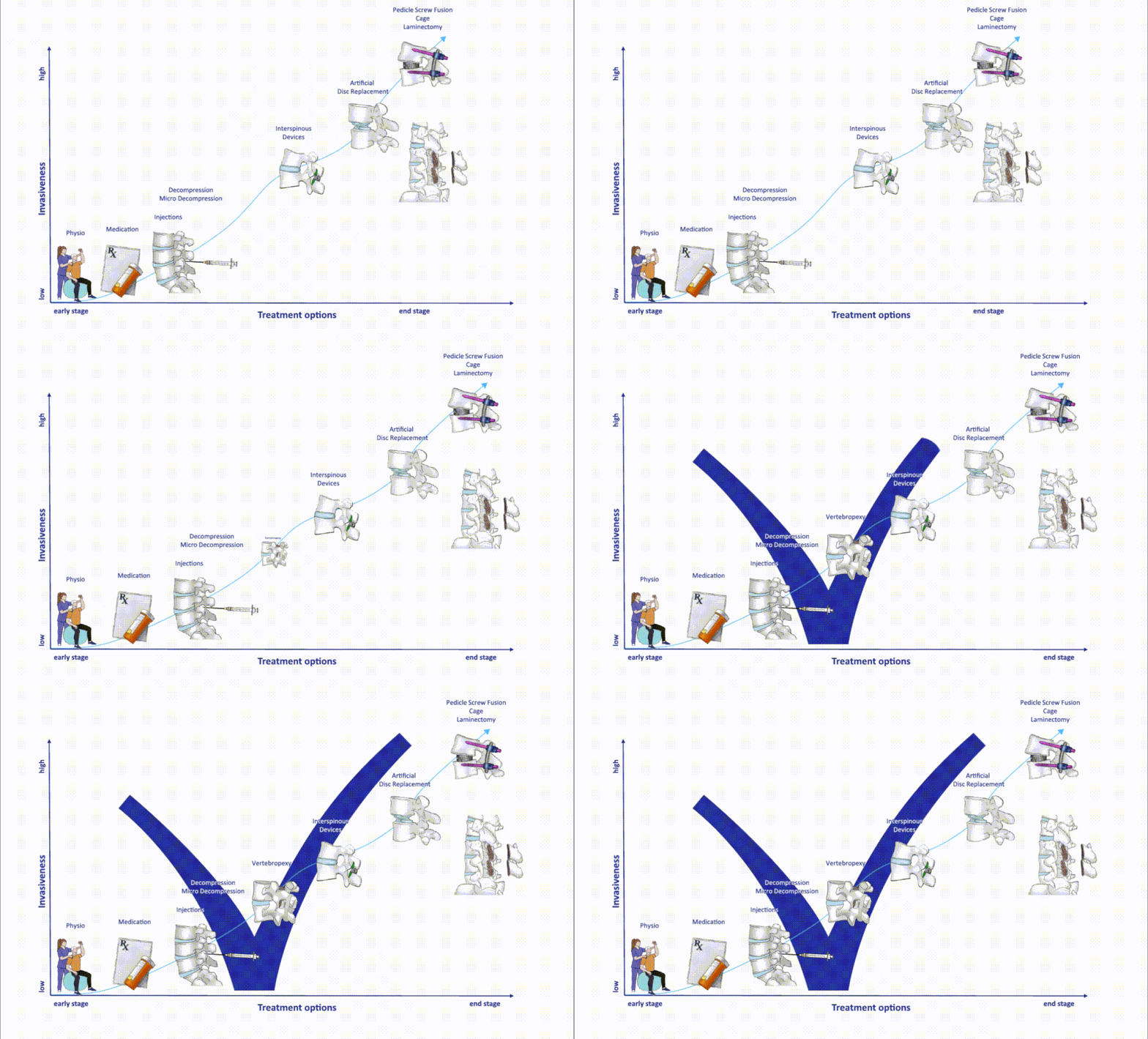
However, for patients with spinal disorders, fusion surgery is often the last option. Our technology is adding a completely new treatment category to the continuum of care.
In comparison to spinal fusion, this treatment…
is more natural as it preserves spinal motion.
is less invasive as it requires smaller incisions and less iatrogenic injury and leads to faster patient recovery times.
At Moving Spine, we have developed a novel surgical technique called Vertebropexy – A new concept of dynamic spinal stabilization based on ligamentous reinforcement of the spinal segment.
Compared to traditional fusion procedures, Vertebropexy offers several distinct advantages.
Greater preservation of spinal motion. Fusion procedures involve the joining of adjacent vertebrae, eliminating movement and restricting mobility in one or more particular segments of the spine. In contrast, semi-rigid fixation maintains some degree of motion in the affected area, which can enhance overall functionality and reduce stress on adjacent spinal segments. This preservation of motion contributes to a more natural feeling and greater range of motion, allowing patients to maintain their day-to-day activities with less disruption.
Less stress on neighboring spinal segments. Fusion, by definition, transfers additional forces and loads to the adjacent vertebrae, potentially increasing the risk of adjacent segment degeneration. In contrast, semi-rigid fixation distributes loads more evenly, reducing the likelihood of adjacent segment degeneration and minimizing the need for future interventions.
Shorter recovery times and faster return to daily activities. Fusion surgeries often necessitate a longer rehabilitation period due to the need for bone healing and spinal fusion. In semi-rigid fixation, the use of flexible or dynamic implants reduces the need for extensive bone healing, allowing for faster recovery times and quicker return to normal functioning.
Less invasiveness compared to fusion surgeries. The use of smaller incisions and specialized instruments reduces tissue disruption and trauma, potentially leading to decreased postoperative pain, less blood loss, and lower risk of infection or complications.
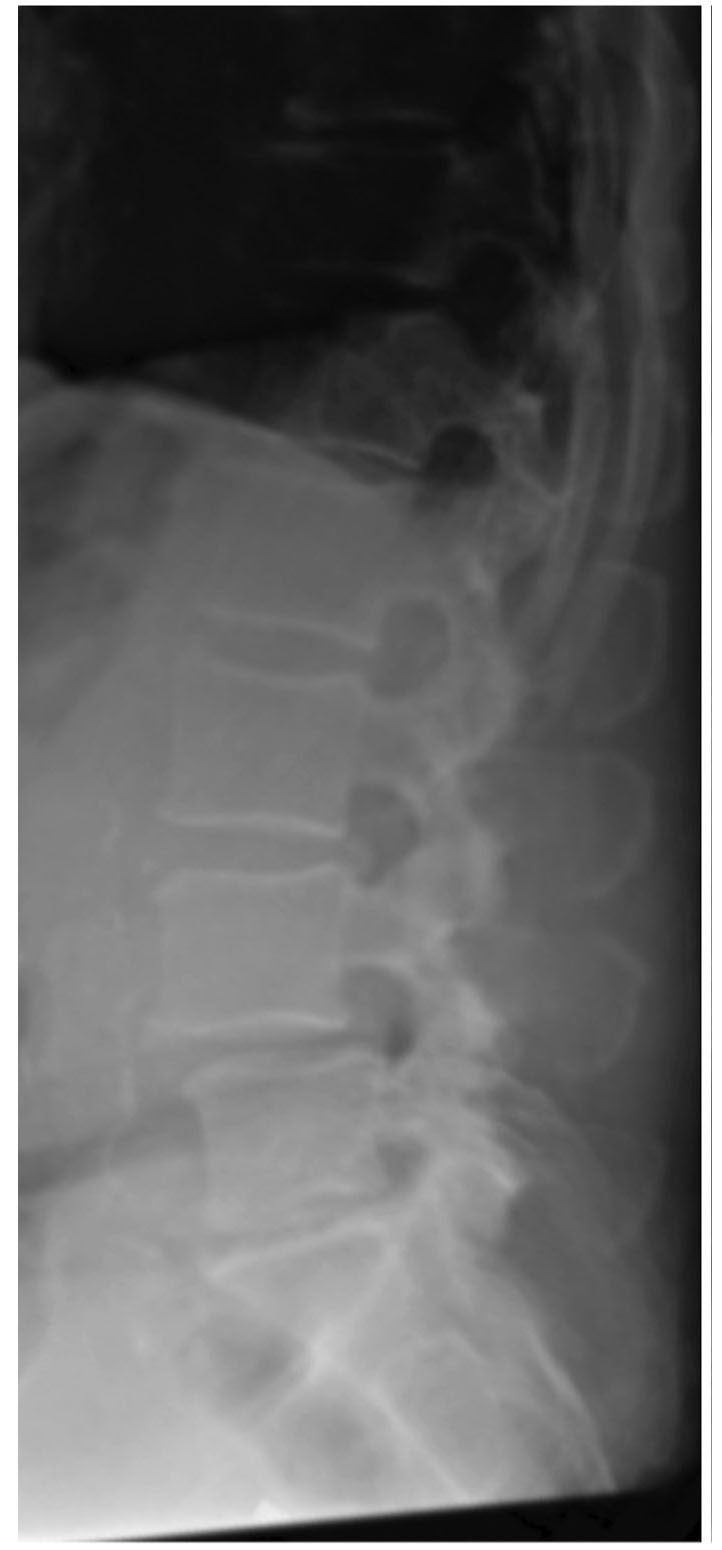
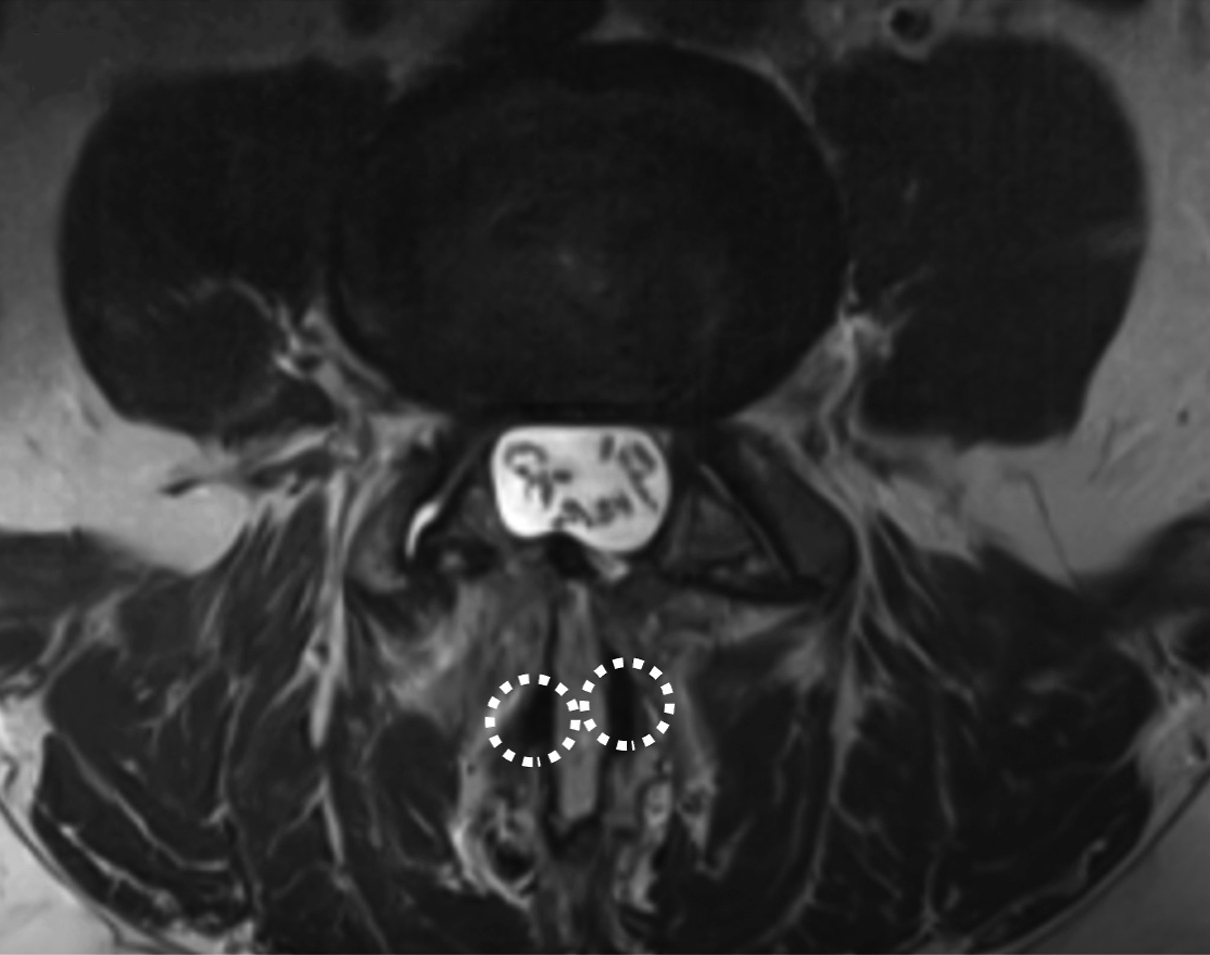
Clinical Case
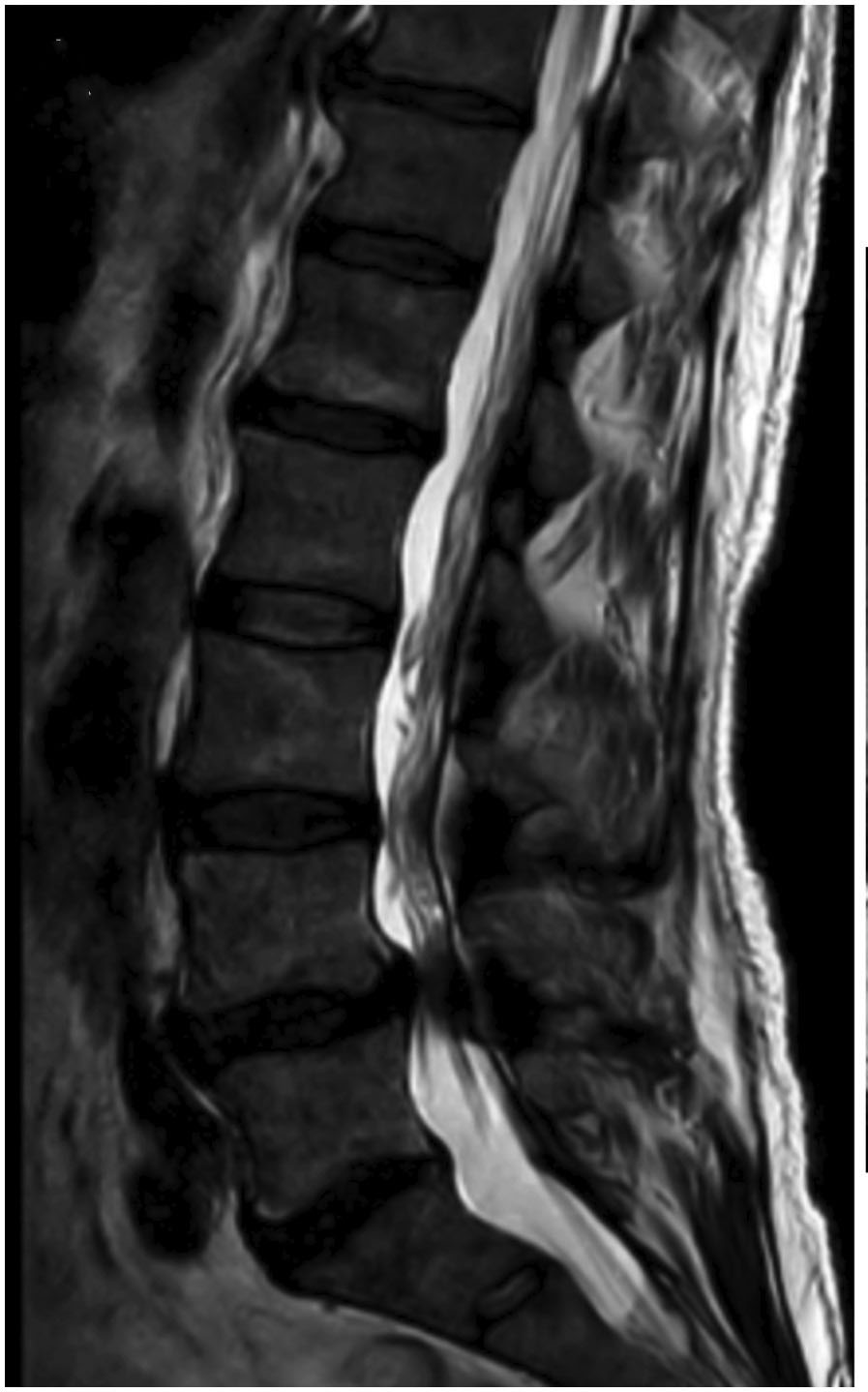
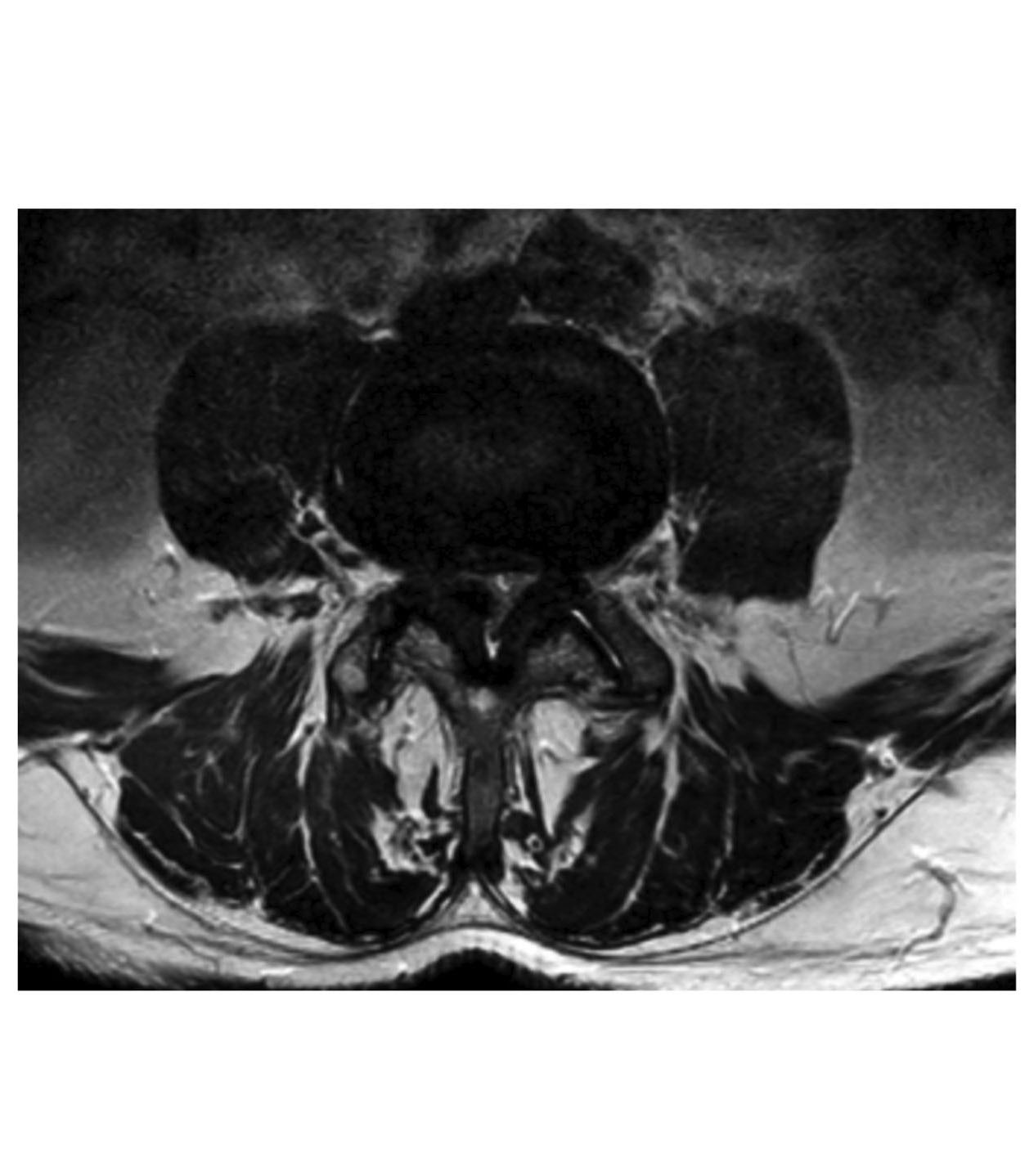
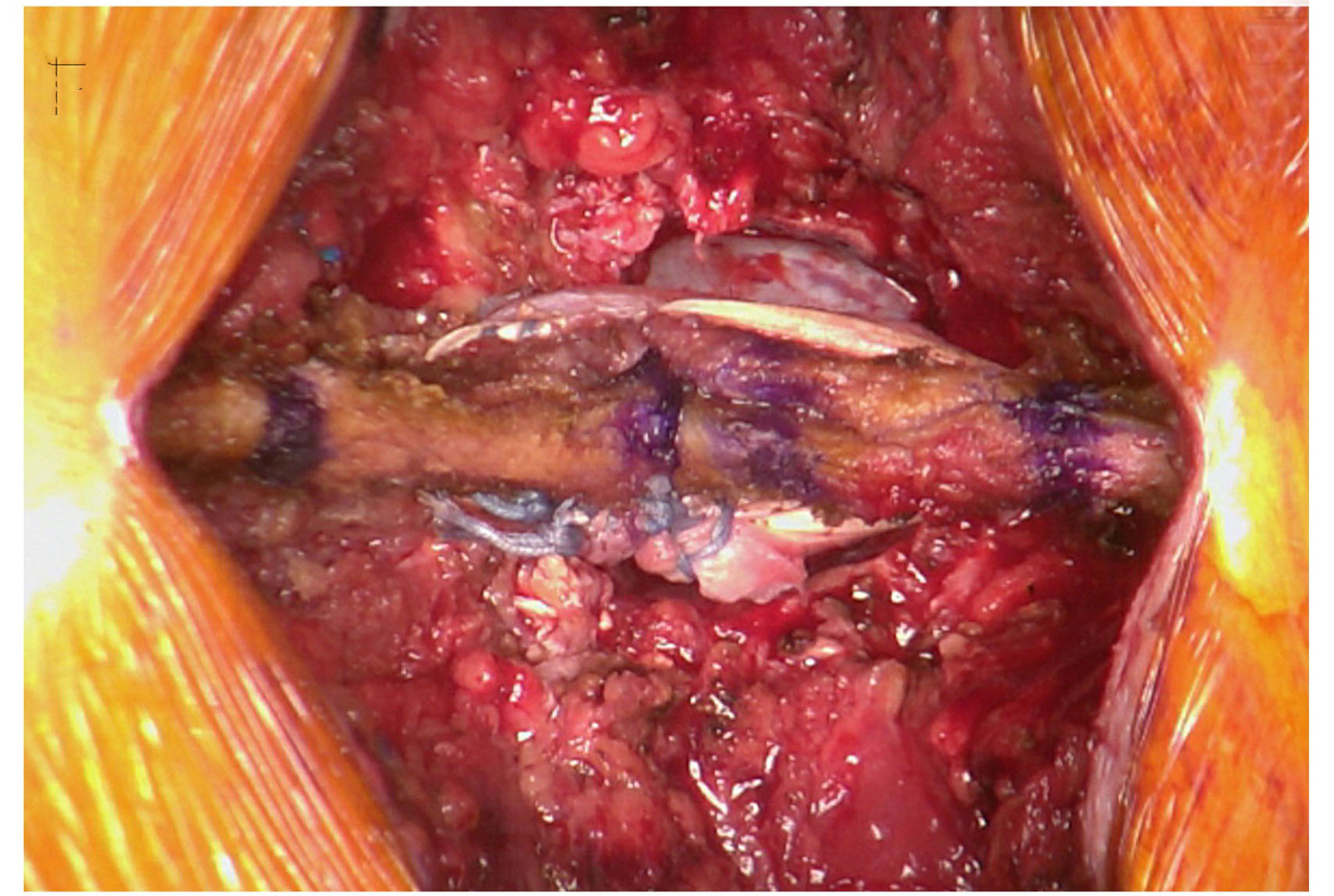
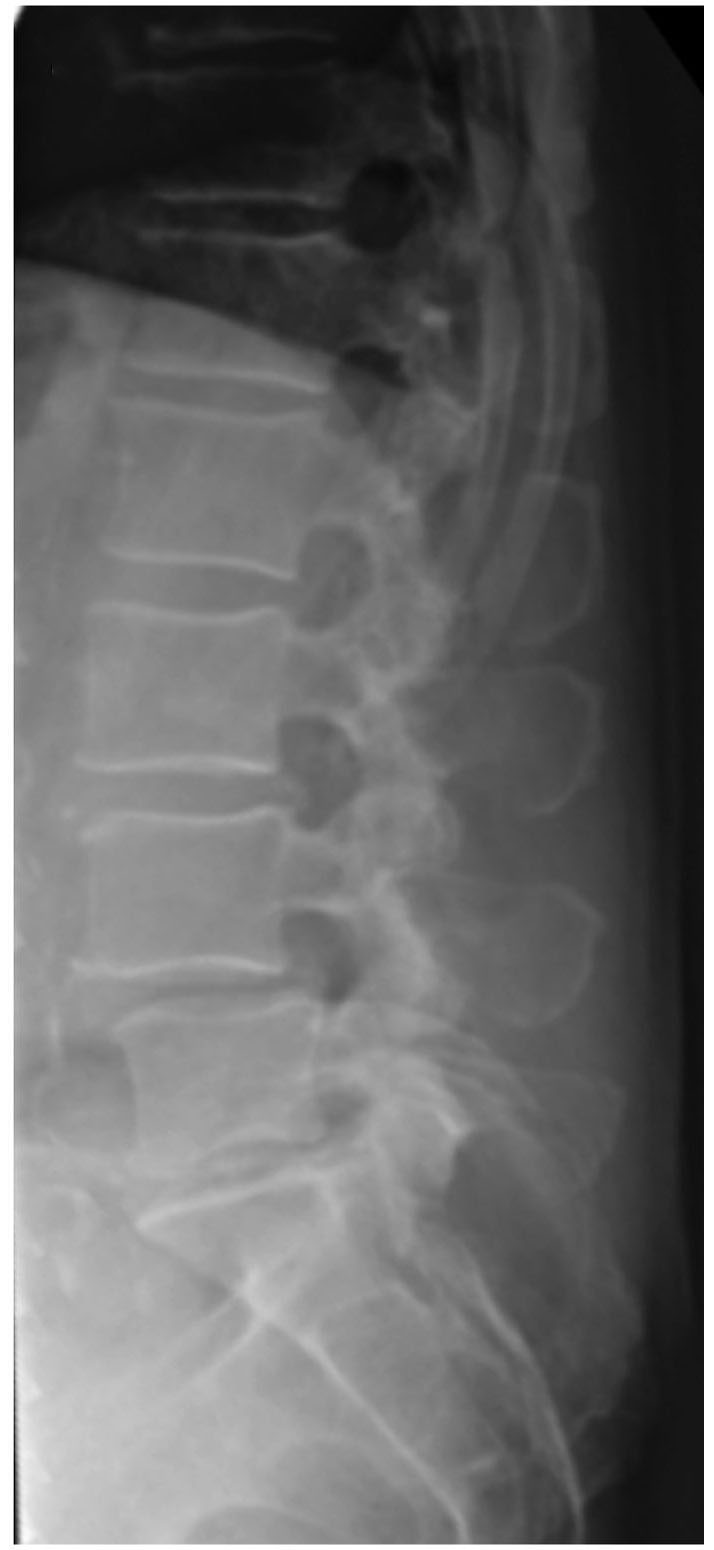
76-year-old male patient, symptomatic spondylolisthesis L4/5, grade I (Meyerding classification) and spinal canal stenosis.
Provided by the University Spine Center Zurich, Balgrist University.
At Moving Spine, we are proud of what we do. We constantly strive to develop new innovative solutions that help healthcare professionals to improve patient care.
Based in Zurich, Switzerland, we offer dynamic, inclusive, and innovative career opportunities where your contributions have a real impact every day!
We invite you to view available career opportunities below.
Our goal is to bring a new treatment category (Spine Sports Medicine) to the patient and to delay spinal fusion surgeries within the continuum of care for spinal disorders by introducing motion preserving stabilization techniques. Our instruments and implants will allow for novel, less invasive spinal treatments and faster patient recovery. We are a spin-off of the highly innovative Balgrist Campus, the Balgrist University Hospital and University of Zürich. Moving Spine AG is a well-financed, disruptive start-up with a broad range of experienced external partners.
For our office in Zürich Stadelhofen SBB, we are looking for a highly motivated, innovative and highly creative
Product Design & Development: Design and develop innovative spine instruments and implants with strong focus on CAD-based construction, functional design, rapid iterations, and robust, manufacturable solutions aligned with ISO 13485, FDA and CE/MDR requirements
Rapid Iteration & Prototyping: Translate ideas into fast design cycles, prototypes, and validated solutions with hands-on involvement in development, testing, and optimization
Detail Engineering & DfM: Create and refine detailed designs, drawings, and tolerance concepts. Drive Design for Manufacturing (DfM) to ensure scalable, reliable and cost-effective production
Customer & User Focus: Support definition of design goals and specifications based on requirements
Supplier & Industrialization Support: Collaborate with external partners (CMOs, suppliers, prototype shops) and support design transfer into manufacturing
Startup Flexibility: Adapt to different project phases. From hands-on prototyping to detailed design, industrialization support, and cross-functional collaboration
Your skills:
Technical background as Mechanical Designer (EFZ with HF/FH or degree in Mechanical Engineering.)
Strong experience in CAD-based design, product development, and iterative prototyping, in medical devices
Excellent CAD skills with solid understanding of tolerances, fits, and robust design principles
Experience in injection molding; additional manufacturing know-how (machining, forming, …) is a plus
Hands-on experience in prototyping with a pragmatic and solution-oriented mindset
Flexible, independent, and comfortable working in a fast-paced startup environment with strong ownership
Additional strengths such as FEM, supplier collaboration, usability awareness, workshop skills, and focus on quality and timely delivery are a plus
Our offer:
Making an impact to improve patients’ lives by bringing Sports Medicine to Spine
Be part of a great medical ecosystem in Zürich with university, wet lab, biomechanical lab, material testing lab, international Key Opinion Leaders, Balgrist Campus and Balgrist University Hospital
Competitive salary, attractive insurance plans and incentive program
Opportunity to grow and develop new skills and work in a highly motivated dynamic team
Highly innovative, out of the box engineering within the exciting medical device environment
Hybrid work place possible, but with a work environment where you strive to be with the team
We look forward to receiving your CV and a ‘why you’ letter via the Balgrist job portal.
Prof. Farshad is the Medical Director and Surgeon-in Chief of Balgrist University Hospital and the Director of the University Spine Centre Zürich. His broad clinical experience and scientific profound knowhow on spinal pathologies allowed him to develop multiple surgical methods. Among others, he has translated the well-established orthopaedic principle of ligamentous stabilization to the field of spine surgery with a concept named Vertebropexy. With the support of Balgrist University Hospital, he has co-founded Moving Spine AG as a platform for development of fusion-free techniques to support treatment of spinal pathologies. He acts as the Chairman of the Board of Directors.
Elmar Zurbriggen, CEO
Elmar brings over 20 y. of experience in spine and orthopedics. Elmar was VP for entire Orthopedics in EMEA at J&J DePuy Synthes, VP for Synthes Spine and Trauma and previously served as global R&D Director, Head of Market Development, Surgeon Education and Powertools Operations at Synthes. He has also successfully grown biopharma businesses and sold to Private Equity (Solvias) and served as turnaround CEO in a robotic startup (AOT). He has a master in biotechnology from ETH Zürich and a master in business administration from St. Gallen (HSG).
Jonas Widmer, Co-Founder and CTO
Prof. Dr. Widmer completed his doctorate at ETH Zurich in 2020 in the field of experimental and computer-assisted spinal surgery biomechanics and is Professor at the Medical Faculty of the University of Zurich. Since November 2020, he has headed the Spine Biomechanics Group at Balgrist University Hospital. In addition to his academic work, he is involved in the research and development of various new spinal implants. In the course of his biomechanical work, multiple Vertebropexy surgical techniques were developed, laying the foundations for the establishment of Moving Spine AG, a company he co-founded, and to which he devotes part of his time as CTO.